
If you’ve never owned a dash cam before, choosing one can feel overwhelming. 4K, WiFi, GPS, parking mode, hardwiring kits… it’s easy to get lost in technical terms without knowing what actually matters.
This beginner-friendly dash cam buying guide will walk you through everything you need to know before purchasing a dash cam in 2026, helping UK drivers confidently choose the right model for their car, driving style, and budget.
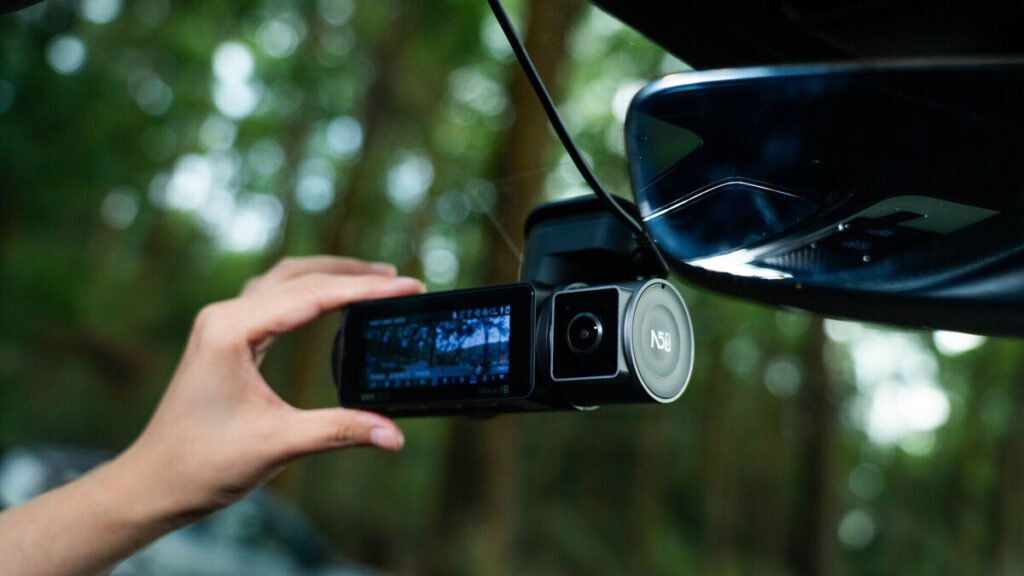
Why You Need a Dash Cam (UK Context)
Dash cams are now a practical form of protection rather than just a gadget. Across the UK, they’re commonly used to:
- Prove fault in accidents
- Protect against crash-for-cash scams
- Record hit-and-runs
- Capture vandalism while parked
Many drivers find that footage can significantly speed up insurance claims. There are also legal and insurance considerations that are important to understand, which we cover in detail in our UK Dash Cam Laws & Insurance Benefits Explained guide.
Step 1: Decide What Type of Dash Cam You Need
Before worrying about resolution or advanced features, you should decide what kind of coverage you want.
Front-only dash cams record the road ahead. They’re simple, affordable, and ideal if you mainly drive in cities or want basic accident protection.
Front and rear setups record both directions, which is currently the most popular choice for UK drivers. This protects against rear-end collisions and provides fuller evidence in multi-vehicle incidents.
Three-channel systems add an interior camera, often used by taxi or Uber drivers, but also valuable for added protection against vandalism.
Brands like Nextbase and value-focused alternatives such as Viofo offer strong dual-channel options across different budgets.
Step 2: Understanding Video Quality (What Really Matters)
Many first-time buyers assume that 4K automatically means “best quality.” In reality, video clarity depends on more than resolution alone.
- 1080p – Entry-level, still usable
- 1440p – Good balance between clarity and file size
- 4K – Sharper detail, but only if bitrate and sensor are adequate
Sensor quality plays a major role, particularly in UK conditions. Many higher-end models use Sony Starvis sensors from Sony, which perform much better in low-light situations.
Night performance is particularly important in the UK. Wet roads, reflective number plates, and glare from headlights can challenge weaker cameras. A well-tuned 1440p camera with a strong sensor often outperforms a budget 4K model in real-world conditions.
Step 3: Parking Mode – Is It Worth It?
Parking mode allows your dash cam to record incidents while your car is parked, which is especially useful for street parking or public car parks.
Common parking mode types include:
- Impact-triggered recording
- Motion detection
- Buffered recording (captures footage seconds before an incident)
- Low-bitrate continuous recording
Brands like Garmin and Nextbase offer advanced implementations in higher-end models.
Most proper parking modes require hardwiring to your vehicle’s fuse box. For detailed guidance, see our Dash Cam Installation Guide (DIY vs Professional UK).
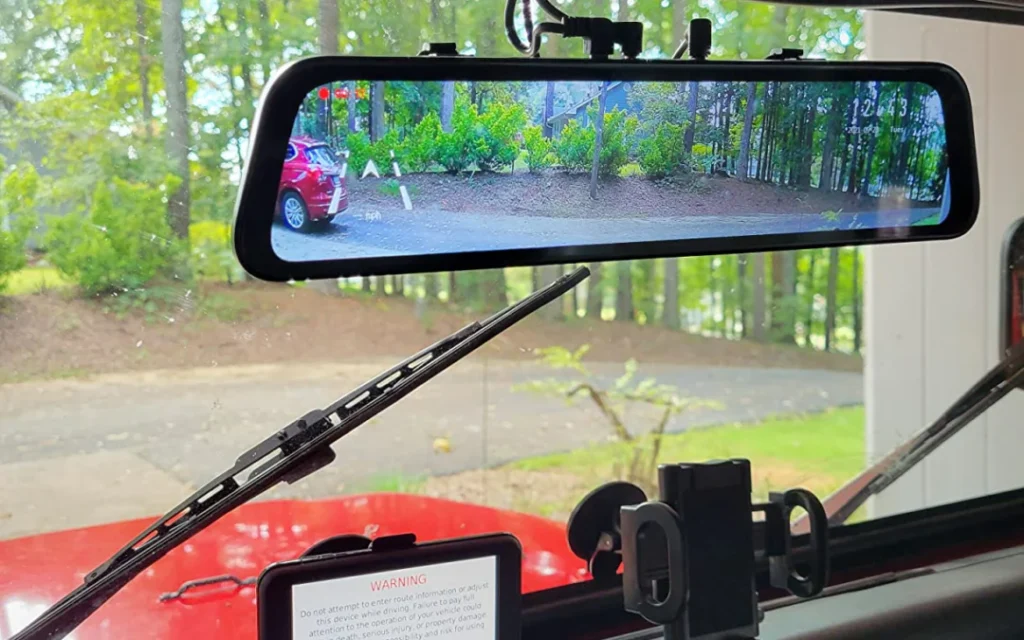
Step 4: Installation – DIY or Professional?
Most dash cams plug into the 12V socket, making installation simple. However, this often leaves visible cables and limits parking mode functionality.
Hardwiring your dash cam allows:
- A cleaner interior appearance
- Parking mode support
- Automatic power on/off
Professional installation in the UK usually costs £50–£120 depending on your vehicle. Our Dash Cam Installation Guide (DIY vs Professional UK) covers fuse box tapping, voltage cut-off protection, and EV-specific considerations.
Step 5: SD Cards – The Most Overlooked Component
One of the most common reasons dash cams fail isn’t the camera itself — it’s the memory card.
Dash cams continuously overwrite footage while operating in hot and cold conditions. Standard cheap SD cards often fail under this workload, leading to corrupted files or missed recordings.
Tips for choosing an SD card:
- Opt for high-endurance cards
- Choose the right capacity (64GB for front-only, 128GB+ for dual-channel or 4K)
- Replace regularly to avoid silent failures
Our Best SD Cards for Dash Cams – Complete Guide goes into more detail on endurance ratings, capacities, and replacement intervals.
Step 6: WiFi, GPS, and App Connectivity
Modern dash cams often include wireless features. WiFi lets you connect the camera to your smartphone to download footage or adjust settings. GPS records speed and location alongside your videos, strengthening evidence in some cases.
Most models allow you to disable speed display depending on personal preference, which can be set via the app.
Step 7: Screen or Screenless?
Dash cams come with built-in screens or rely entirely on a smartphone app.
- With screen: Easier setup, instant playback, slightly larger footprint
- Screenless: Discreet and compact, requires app for configuration and playback
The choice depends on how hands-on you want the experience to be.
Step 8: UK Legal Considerations
Dash cams are legal in the UK, but they must not obstruct your view. Placement should comply with windscreen visibility rules.
Business drivers, taxi fleets, or those recording interiors should consider GDPR regulations. Audio recording may also have additional rules. A full explanation is in our UK Dash Cam Laws & Insurance Benefits Explained article.
Step 9: Budget Expectations for 2026
Entry-level (£50–£90): 1080p, front-only, basic features
Mid-range (£100–£180): 1440p, dual-channel options, WiFi & GPS
Premium (£200–£350+): Advanced sensors, night vision, parking mode, solid build quality
Brands like Nextbase dominate premium brackets, while Viofo provide strong value options.

Final Thoughts: Choosing the Right Dash Cam
For most UK drivers in 2026, a sensible choice is a 1440p or high-quality 4K front-and-rear setup with a high-endurance SD card and proper installation.
Avoid buying based purely on resolution or price. Real-world performance, night clarity, and correct installation matter more than flashy specs. By following this dash cam buying guide and exploring our supporting articles on installation, SD cards, and UK laws, you’ll be fully prepared to choose a dash cam that genuinely protects you when it matters most.