
Installing a dash cam may seem straightforward, but there’s more to it than just sticking it to your windscreen. The right installation ensures your camera works reliably, records the road clearly, and—if you opt for parking mode—protects your vehicle while it’s parked.
This guide explains the two main installation approaches for UK drivers: DIY plug-in installation and professional hardwiring. By the end, you’ll understand the pros, cons, and best practices for both, helping you make an informed decision before purchasing.
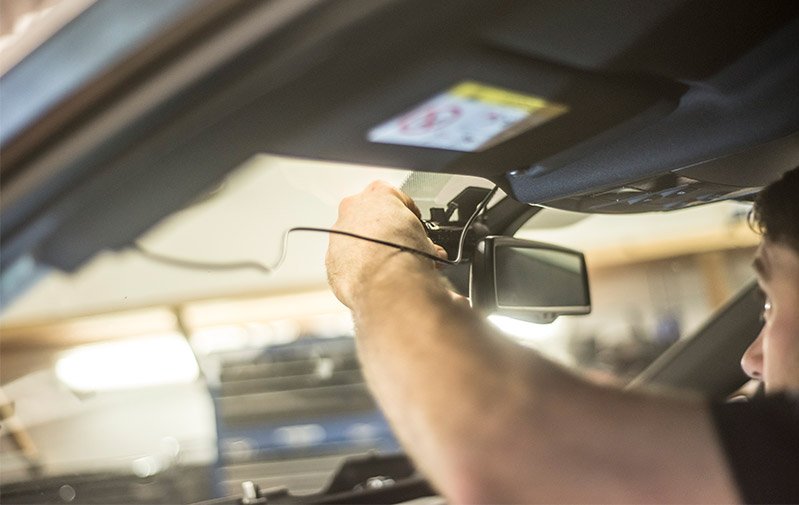
DIY Dash Cam Installation
Most dash cams are designed for simple, plug-and-play installation. This is usually the easiest method and doesn’t require any technical skills or modifications to your car.
How it works:
- The camera plugs into your car’s 12V cigarette lighter socket.
- The power cable can be tucked along the edge of the windscreen or dashboard for a cleaner look.
- Settings and playback are managed via the dash cam’s screen or smartphone app.
Pros of DIY Installation:
- Quick and easy to install
- No risk of voiding car warranty
- Ideal for drivers who don’t need parking mode
Cons:
- Visible cables may detract from a clean interior
- Limited or no support for parking mode while the car is off
- Some cable management is required to avoid dangling wires
DIY installation works well for city drivers or anyone primarily using the dash cam while driving, rather than when parked.
Professional Hardwiring
Hardwiring involves connecting the dash cam directly to your car’s fuse box. This approach allows for a cleaner installation and enables advanced features like parking mode, which records incidents while the car is parked.
What hardwiring offers:
- Hidden cables for a neat interior
- Support for continuous parking mode with voltage cut-off protection
- Automatic power on/off when the ignition is turned on or off
Pros of Professional Installation:
- Fully hidden wiring for a polished look
- Allows parking mode and advanced power management
- Reduces risk of battery drain with voltage protection
Cons:
- Usually costs between £50–£120 in the UK depending on vehicle type
- Requires a visit to a professional installer
- Slightly more time-consuming to set up
Professional installation is ideal for dual-channel or 3-channel setups, drivers who regularly park on the street, or anyone who wants a fully integrated solution without visible cables.
Parking Mode Considerations
If you want your dash cam to record while your car is parked, hardwiring is usually required. Parking mode can be triggered by:
- Motion detection
- Impact detection
- Buffered recording (captures footage a few seconds before an incident)
Keep in mind that parking mode draws power from the battery. Proper installation ensures your car battery isn’t drained while the dash cam is parked.
For detailed guidance on which parking mode setup works best for your vehicle, check out our Dash Cam Buying Guide 2026 for full context on models and features.
Installation Tips for UK Drivers
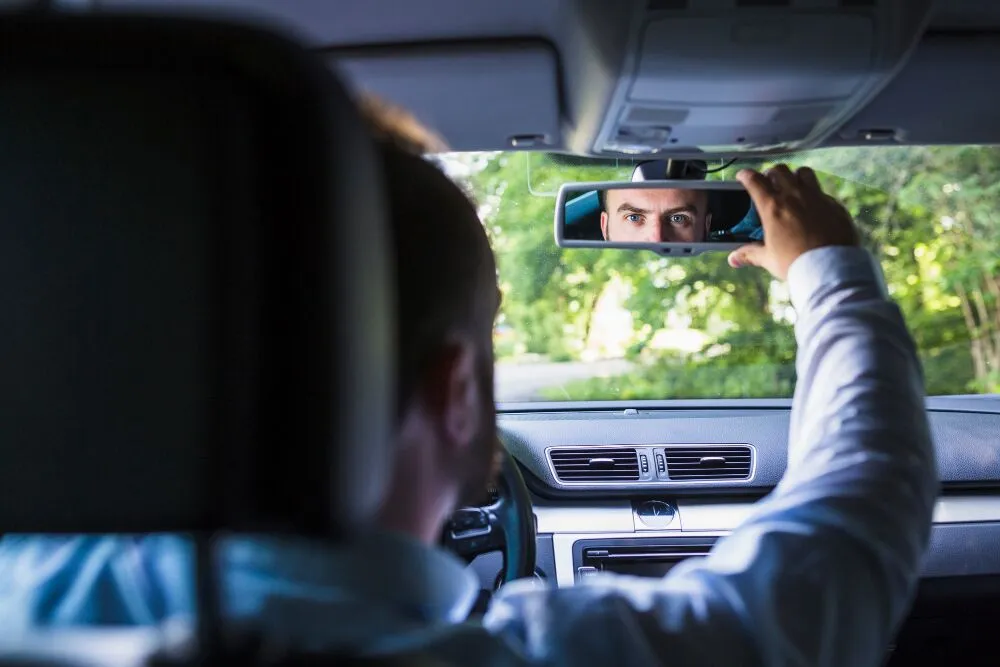
- Placement: Mount the camera high on the windscreen, ideally behind the rear-view mirror. This keeps it out of the driver’s sight line but still captures the road clearly.
- Cable routing: Tuck cables along trim panels or headliners to avoid interference with airbags.
- Cleaning: Ensure the windscreen area behind the camera is clean for optimal video clarity.
- Dual-channel setups: Running the rear camera cable may require routing along the headliner and through the car’s interior trim.
By following these tips, you’ll ensure your dash cam works reliably without obstructing your view or creating a messy installation.
Final Thoughts
Choosing between DIY and professional installation depends on your priorities. If you want a quick, simple setup and don’t need parking mode, a DIY plug-in works perfectly. If you want advanced features, a clean look, and reliable parking mode, professional hardwiring is worth the investment.
No matter which method you choose, a properly installed dash cam improves safety, protects your vehicle, and ensures high-quality recordings. For a full beginner-friendly overview of what to consider before buying a dash cam, including installation, video quality, and UK legal requirements, refer back to our Dash Cam Buying Guide 2026.